
Table of Contents | Guide to Rio Celeste
▼
- Ancestral Territory: Exploring the Maleku Village Costa Rica
- A Journey Through the Jungle and Its Microclimates
- Flavors That Conquer: Local Gastronomy Guide
- The Living Jungle: Wildlife & Birdwatching Spotting
- Booking Your Maleku Tribe Costa Rica Tour
- Frequently Asked Questions & Maleku Tours Costa Rica Reviews
Everyone comes for the famous photo of the turquoise waterfall, but few experience the true magic that the Tenorio Volcano rainforest has to offer. At Rio Celeste Aventuras, we aren’t just tour guides—we are your local hosts, ready to immerse you in the history, culture, and rich biodiversity of the costa rica maleku tribe that make this corner of Costa Rica’s Northern Zone a paradise.
If you already have your bags packed, this local guide will show you how to experience Rio Celeste and the surrounding rainforest to the fullest!
At a Glance: The Rio Celeste Experience
- Best For: Eco-tourists, wildlife enthusiasts, and cultural travelers.
- Key Highlights: Turquoise river rapids, native wildlife, local gastronomy, and authentic Maleku indigenous heritage.
- Location: Guatuso / Tenorio Volcano National Park region (1.5 hours from La Fortuna).
- Local Tip: Combine your rainforest hike with our guided river tubing and cultural tour for the complete experience!
Ancestral Territory: Exploring the Maleku Village Costa Rica
To truly understand Rio Celeste, we must recognize that we are not the first inhabitants of this jungle. This region, located just outside of Guatuso (where our lead guide Gerald is originally from), is the ancestral heartland of the indigenous community. Visiting a maleku village costa rica area allows you to step directly into their history and honor their living legacy.
The Maleku (historically known as the Guatusos) are one of the most resilient original cultures in Central America. For centuries, the costa rica maleku tribe has lived in complete harmony with this rainforest, preserving deep knowledge of medicinal plants, artisan traditions, and spiritual connections to the Tenorio Volcano. For the Maleku, these turquoise waters and surrounding volcanic slopes are sacred grounds, holding ancient legends about the origins of creation.
A Journey Through the Jungle and Its Microclimates
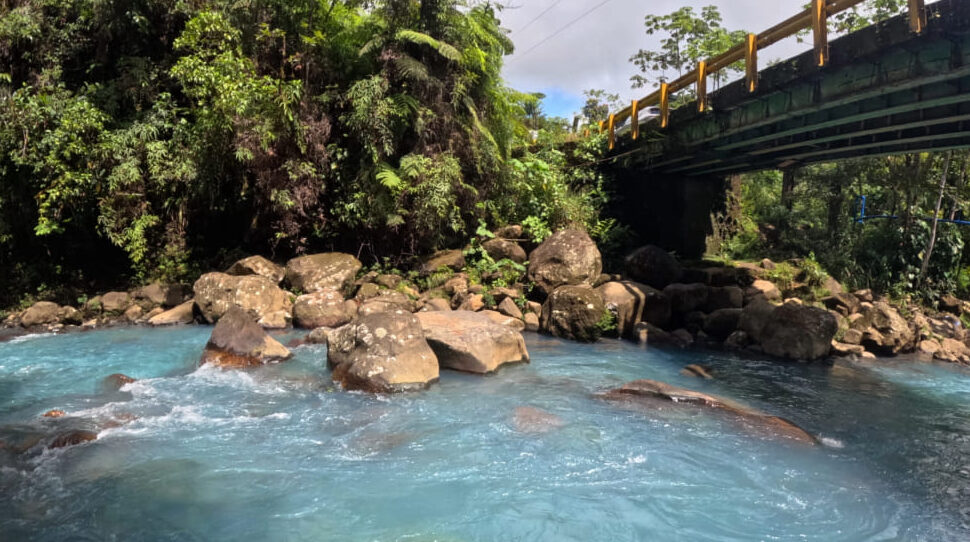
Rio Celeste is far more than just a river—it is a fascinating geographical meeting point. The river is born high on the slopes of the Tenorio Volcano, a colossus that dictates the surrounding weather and landscape.
This unique location places the region in a critical ecological transition zone where the Tropical Very Wet Forest meets the Premontane Forest.
What does this mean for your tour?
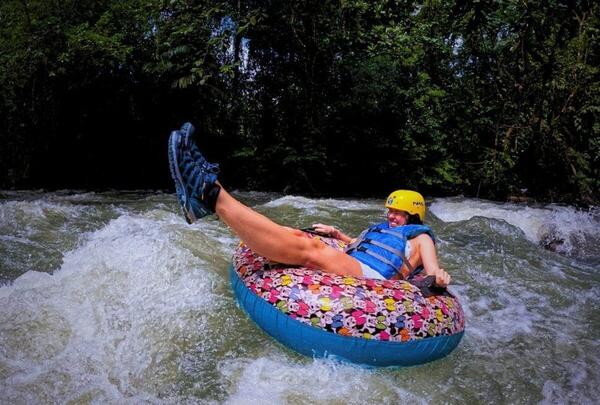
It means an exceptional diversity of flora and fauna within a short distance. In the morning, you might walk through the dense, humid canopy of the lowland virgin jungle, and by afternoon—while on our river tubing adventure—feel the refreshing mountain breeze off the volcanic waters.
Flavors That Conquer: Local Gastronomy Guide
After a day of tubing and hiking, the adventure continues on your palate! The Northern Zone has a rich culinary heritage rooted in local agriculture and freshwater farming. Don’t leave without trying these regional delicacies:
-
Fresh Fried Tilapia: The star dish of the region. Farmed in local fresh waters, fried crispy and served in garlic sauce (al ajillo), Caribbean style, or simply with yucca.
Where to try: Tilapias Ángel (generous portions) & Restaurante Los Lagitos (close to our tubing base). - Traditional "Casado": The classic Costa Rican lunch featuring rice, beans, sweet plantains, salad, picadillo (chopped vegetable hash), and your choice of protein (beef, chicken, or pork). Perfect fuel for a day of adventure!
- Patacones & Green Banana Ceviche: Crispy double-fried green plantain slices served with refried beans, cheese, or paired with authentic Green Banana Ceviche (Ceviche de Banano Verde) for a refreshing touch.
- Warm "Agua Dulce": After a river tour, nothing beats a hot cup of traditional Agua Dulce, made from unrefined sugar cane (tapa de dulce) to comfort the body and recharge your energy.
The Living Jungle: Wildlife & Birdwatching Spotting
The dense rainforest surrounding Rio Celeste and Tenorio Volcano National Park is home to hundreds of species waiting for you at every turn. Keep your eyes peeled!
Birdwatching Highlights
For ornithology lovers, this region is a biological corridor for migratory and resident birds. At Rio Celeste Aventuras, our guides are trained to help you identify key species. During our tubing tour, you have a unique vantage point to spot canopy birds while floating gently down the river:
- Toucans: Keel-billed Toucan (Ramphastos sulfuratus) and Yellow-throated Toucan.
- Forest Specialties: The fascinating Three-wattled Bellbird with its unmistakable call, and the Montezuma Oropendola with hanging nests.
- Riverbank Dwellers: Lesson’s Motmot, Amazon Kingfisher, and Ruby-throated Hummingbird.
Fauna and Flora
Beyond birds, you will encounter prehistoric ferns dating back to the Jurassic era and gigantic heliconias whose bright colors rival those of toucans:
- Baird’s Tapir (Danta): The largest land mammal in Latin America, often spotted along deeper park trails.
- Monkeys & Coatis: Howler Monkeys (Congo), White-faced Capuchins, and energetic Coatis (Pizote).
- Endemic Flora: Gigantic trees covered in orchids, bromeliads, and the Jícaro Danto tree, fundamental to the tapir’s diet.
Planning a Maleku Tribe Costa Rica Visit
Have Questions About Visiting the Northern Zone?
While our core specialty is guided river tubing and rainforest adventures in Rio Celeste, our local team (born and raised in Guatuso) is always happy to help you plan your day trip or answer questions about the region.
Contact Our Local Guides HereFrequently Asked Questions & Maleku Tours Costa Rica Reviews
Q: What makes top-rated maleku tours costa rica reviews stand out?
A: Travelers consistently highlight the authenticity of local guides born in Guatuso, personalized safety on river tubing trips, and respectful interaction with the indigenous culture without feeling rushed.
Q: How far is the Maleku territory from Rio Celeste?
A: The main Palenques (indigenous villages) are located near Guatuso, just a short 20 to 30-minute drive from the Rio Celeste area, making it seamless to combine both experiences in one day.
Q: Can I buy authentic indigenous crafts during the tour?
A: Yes! The Maleku are famous for hand-carved balsa wood masks, hand-painted gourds (jícaras), and traditional rainmakers depicting sacred animals like jaguars and toucans.